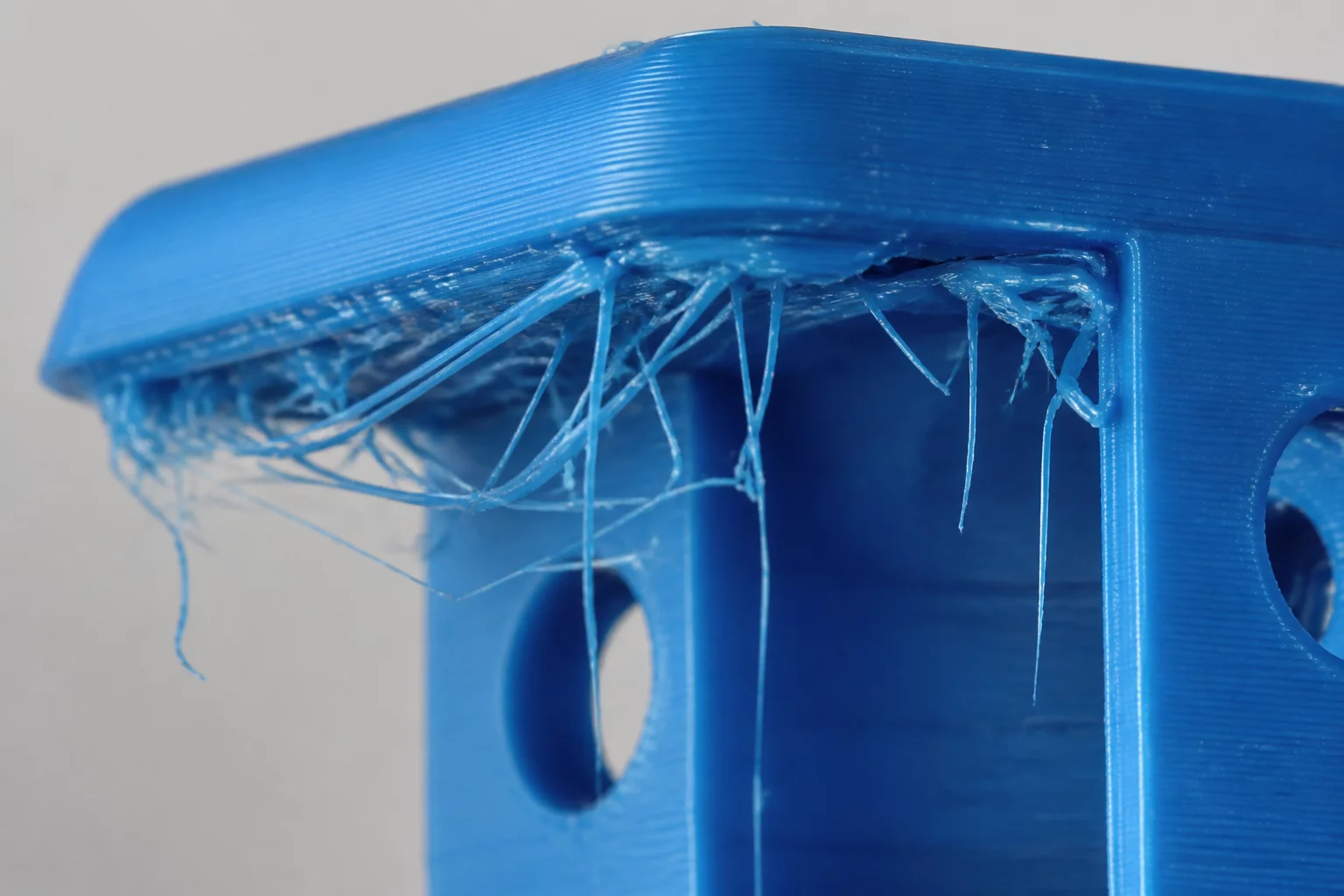
The Illusion of Painless Support Separation
Every maker celebrates when support towers drop off a finished build without pliers or scraping. In reality, that effortless breakaway often masks severe 3D print support problems on downward horizontal walls. When slicer settings prioritize detachment over physical contact, extruded plastic lines lack sufficient vertical squish during bridging passes. The molten thermoplastic drops slightly below nominal coordinates, creating untensioned loops instead of a cohesive surface layer.
Laboratory measurements reveal that achieving satisfactory support surface quality requires balanced thermal and mechanical resistance. Excessive vertical Z clearance eliminates layer adhesion entirely. The first supported skin layer basically prints into open air, resting loosely across widely spaced interface lines rather than forming a dense, flattened plane.
Diagnosing the Root Causes in Slicer Calibration
A recent PrusaSlicer support outcome review highlights identical physics across different slicing engines when contact gaps exceed 1.5 times the layer height. In our Ultimaker Cura benchmarks, several specific configuration missteps caused visible deterioration:
- Z-distance configured higher than 0.28 mm prevented adequate radiant cooling contact against the interface mesh.
- Sparse interface density below 55 percent allowed individual filament strands to drop into open interstitial cavities.
- High printing speeds on supported skin layers introduced line dragging and corner curling across the perimeter.
Practical Methods for Restoring Underhang Fidelity
Correcting this defect requires tuning interface density before adjusting separation distance. Increasing support roof density to 80 percent provides a firm platform that arrests sagging strands before they cool. Switching from concentric to rectilinear roof patterns creates a crisscross foundation that catches unsupported extrusions from multiple angles.
Once interface density is solid, lowering the Z contact distance to precisely one single layer height restores crisp dimensional boundaries. The resulting supports still pop free cleanly under gentle twisting force, yet leave behind a smooth, fully supported skin that eliminates post-print sanding.
Reduced interface layer gap to 0.16mm on our PETG prints with organic tree supports. The contact scarring dropped significantly and overhangs at 65° remained crisp with zero sagging. Highly recommend testing the custom peel angle settings!